
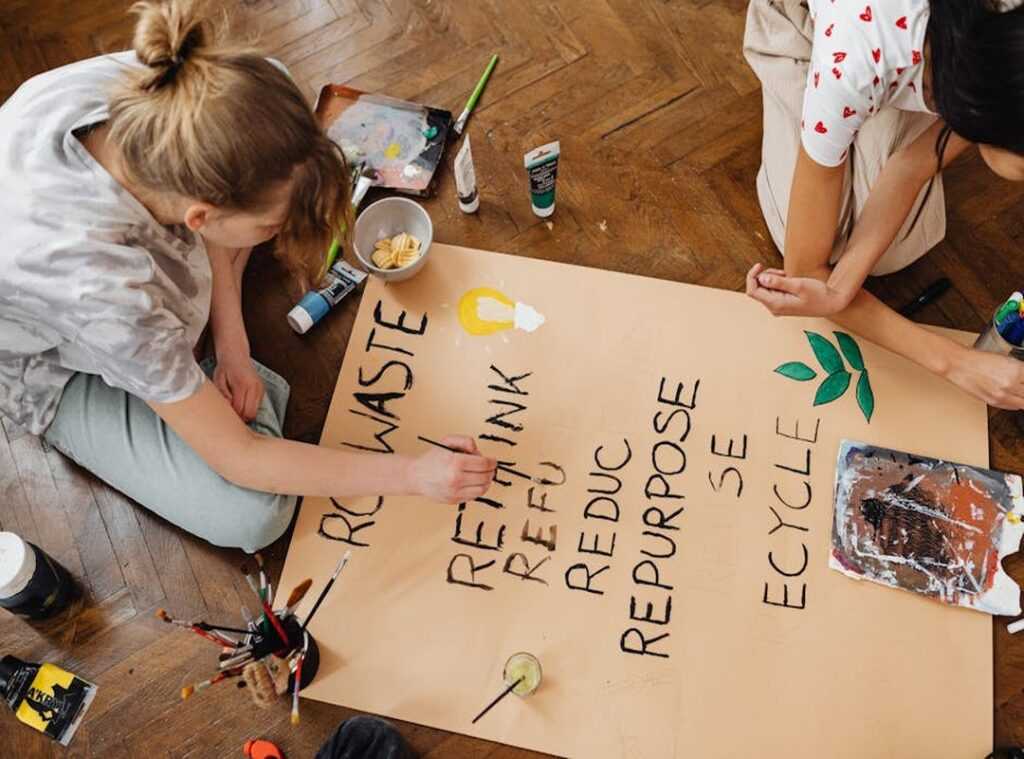
Dengue fever infects millions every year. It’s a global health crisis that needs urgent attention.
Visuals can make a huge difference in public health. They grab attention and convey messages quickly. Especially with fast-spreading diseases, a clear image is more effective than text alone.
This guide will show you how to create a handmade dengue poster drawing that truly makes an impact. You’ll learn the essential information to include, powerful design techniques, and a step-by-step process for creation.
By the end, you’ll have the tools to design a poster that not only informs but also inspires action. Let’s dive in.
The Unmissable Message: Core Information for Your Dengue Poster
When you’re making a dengue poster, eliminating mosquito breeding sites is the most critical message. Think about it—old tires, flower pots, clogged gutters, and uncovered water containers. These are all places where mosquitoes love to lay their eggs.
Imagine a handmade dengue poster drawing with clear, bold images of these items. It’s like a visual checklist that anyone can understand at a glance.
High fever, severe headache, rash, and muscle/joint pain. These are the key symptoms you need to illustrate. Make them stand out.
Use bright, vivid colors. You want people to recognize these signs immediately.
Using a simple, memorable prevention framework is a must. Concepts like ‘Search and Destroy’ or ‘Block the Bite’ are perfect. They’re easy to turn into eye-catching illustrations.
Picture a big, red X over a mosquito or a shield protecting a person from bites.
Minimal, large-print text in the local language is crucial. Not everyone can read small print. Imagine a grandmother squinting at a tiny font.
Large, bold letters make it accessible for all literacy levels.
Finally, a clear call-to-action. ‘Seek early consultation’ or a local health hotline number. Make it big and bold.
You want people to know exactly what to do if they suspect dengue.
Designing for Impact: Visual Elements That Stop and Teach
When it comes to public health, visuals can make or break your message. You want people to stop, look, and actually learn something. Let’s dive in.
Color Psychology: The Power of Red and Yellow
First up, color. Use bold, attention-grabbing colors like red and yellow for warnings. These colors scream, “Hey, pay attention!” But don’t go overboard.
Balance them with calming blues or greens for safe practices. It’s like a traffic light for your brain—red means stop, green means go.
A Single, Powerful Central Image
Next, focus on one powerful central image. Think about a stylized mosquito being crossed out, or a family protecting their home. This image should be the star of the show.
It’s the visual equivalent of a punchline, and (And who doesn’t love a good punchline?)
Simple Icons and Infographics
Now, let’s talk about breaking down complex info. Use simple icons and infographics. For example, a mosquito life cycle or a weekly checklist for cleaning breeding grounds.
These visuals are like cheat codes for understanding. They make the hard stuff easy.
Typography Matters
Typography is key. Choose a font that’s highly legible from a distance. Avoid overly decorative or thin scripts.
Imagine trying to read a sign from across the street. If you have to squint, it’s not doing its job.
Cultural Relevance
Cultural relevance is huge. Make sure the people, homes, and environments depicted are relatable to the target community. If the illustrations look like they’re from another planet, no one will connect.
It’s like seeing a movie where the characters look nothing like you—it just doesn’t hit home.
Visual Hierarchy
Finally, create a visual hierarchy. Guide the viewer’s eye from the main threat (the mosquito) to the solution (prevention actions). It’s like a map, leading you from problem to solution.
Putting It All Together
So, how does this all come together, and imagine a handmade dengue poster drawing. It’s got a big, bold red and yellow warning sign, a clear, powerful image of a crossed-out mosquito, and a simple, easy-to-read checklist.
The font is clean and legible, and the illustrations show people and homes that look familiar. The whole thing is designed to catch your eye and keep it there.
By following these tips, you can create visuals that not only grab attention but also teach something valuable. And isn’t that what it’s all about?
Your Custom Poster Blueprint: From Idea to Reality

Creating a custom poster doesn’t have to be complicated. Here’s a simple 3-step process: Define, Design, and Distribute.
Step 1: Define
First, pinpoint your specific audience, and are you targeting schoolchildren or homeowners? Next, define the primary goal.
Is it symptom recognition or weekly cleanup reminders?
Step 2: Design
Now, let’s get into the design, and you’ve got two paths here.
Path A: DIY with Canva
Use platforms like Canva. They offer pre-made elements that make it easy to create something professional without needing advanced design skills.
Path B: Hire a Freelancer
For a truly unique design, consider hiring a freelance illustrator from sites like Upwork or Fiverr.
Writing a clear design brief is key. Specify the key messages, desired visual style, color palette, and required text. This helps the freelancer understand exactly what you need.
Pro Tip: Include a technical checklist for the final poster file. Make sure it’s in high-resolution (300 DPI), has the correct dimensions, and includes bleed margins for printing.
Step 3: Distribute
Once your poster is ready, think about distribution. Leave a designated blank space in the design for local health organizations or sponsors to add their logo. This can help with wider distribution and support.
If you’re looking for more tips on creating impactful designs, check out this guide.
Creating a handmade dengue poster drawing can be a powerful way to connect with your audience. Just remember, the key is to keep it simple and focused.
Inspiration Gallery: Powerful Dengue Poster Concepts
Let’s dive into some creative poster concepts to get those ideas flowing.
Concept 1: ‘The Tipping Point’
Imagine a minimalist design with a hand tipping over a flower pot, eliminating stagnant water. This simple action symbolizes the power of small, everyday efforts in preventing dengue.
Concept 2: ‘Community Shield’
Picture an illustration of diverse community members holding up tools like brooms and scrubs as shields against a giant mosquito shadow. This concept highlights the importance of collective action and unity in the fight against dengue.
Concept 3: ‘Spot the Danger’ Think of an interactive-style poster showing a typical backyard scene. The challenge, and find all potential mosquito breeding spots.
This engaging approach educates viewers on the hidden dangers in their own environments.
Each concept uses bold, clear visuals to convey a powerful message. Handmade dengue poster drawing can bring these ideas to life, making them more relatable and impactful.
Turn Awareness into Action with Your Illustration
An effective dengue poster merges essential facts with compelling, easy-to-understand illustrations. The ultimate goal of the poster is not just to be seen, but to provoke a specific action, like a weekly home cleanup. Adding a modern enhancement, such as a QR code, can link directly to resources from the World Health Organization or a local health department.
This makes it easier for people to access more detailed information and stay informed.
Handmade dengue poster drawing can be a powerful tool in this effort.
Take these guidelines and create a custom poster that can help protect your community. Your creativity and commitment can make a real difference.
 Caitlin Grove brought her expertise in communication and content strategy to Funds Fortune Roll, crafting engaging and educational articles that resonate with a diverse audience. Her ability to break down sophisticated financial concepts into relatable and actionable advice has helped the platform connect with both novice and seasoned investors. Caitlin's dedication to delivering high-quality content has been instrumental in the success of Funds Fortune Roll.